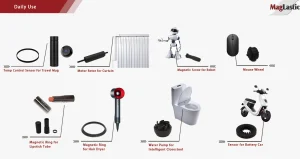
Are Brushless DC Motors Better? A Clear and Practical Guide
When choosing a motor for a device or product, many engineers and buyers eventually ask the same question: Are brushless DC motors better than brushed motors? Because BLDC motors have become popular in modern automation, robotics, and home devices, this question shows up frequently in “brush vs brushless motor” comparisons. Brushless DC motors are widely considered more efficient and reliable than brushed motors, but the performance gap is not only due to electronic commutation. A major factor is the magnets used in the motor. From sintered ferrite magnets to injection-molded bonded magnets, the choice of magnet materials directly affects torque density, motor size, heat generation, and long-term durability. This guide helps you understand the differences clearly and hows how magnet selection influences BLDC motor design so you can choose the right motor for your application. What Is a Brushless DC Motor (BLDC Motor)? A brushless DC motor operates without mechanical brushes. Instead of using a commutator and carbon brushes like a brushed motor, it uses: Permanent magnets on the rotor An electronic controller that switches current digitally This electronic commutation makes BLDC motors more efficient, durable, and quieter than traditional brushed motors. Brush vs Brushless Motor: What’s the Difference? Here’s a simple … Continue reading Are Brushless DC Motors Better? A Clear and Practical Guide