Types of Neodymium Magnets by Manufacturing Process
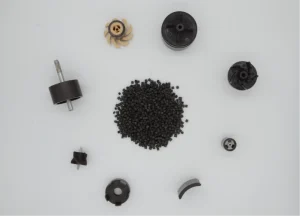
Neodymium magnets, also known as NdFeB magnets, are the strongest commercially available permanent magnets and are widely used across industrial, automotive, energy, and electronics sectors. From high-performance electric motors to precision sensors, these magnets play a critical role in modern manufacturing. However, not all neodymium magnets are the same. Their magnetic performance, mechanical strength, cost, and application suitability are largely determined by how they are manufactured. Understanding the types of neodymium magnets by manufacturing process is essential for engineers, designers, and procurement teams when selecting the right magnet for a specific application. This article provides a systematic overview of the main types of neodymium magnets based on manufacturing process, explaining their characteristics, advantages, limitations, and typical applications. Why Manufacturing Process Matters for Neodymium Magnets The manufacturing process plays a decisive role in determining the performance and application boundaries of neodymium magnets, mainly through its impact on internal microstructure and production characteristics. From a material and performance perspective, the manufacturing process affects: Grain alignment, which directly influences magnetic anisotropy and overall magnetic strength Material density, affecting remanence (Br) and maximum energy product ((BH)max) Bonding method, determining whether the magnet is sintered, bonded, or hot-deformed Key magnetic parameters, including coercivity (Hcj), (BH)max, and … Continue reading Types of Neodymium Magnets by Manufacturing Process