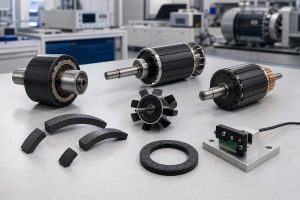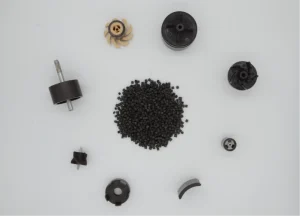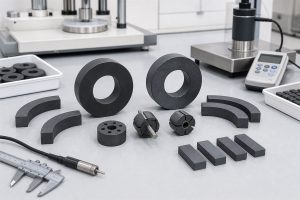



Fan motors play a crucial role in the efficient operation of home appliances like refrigerators, air conditioners, and HVAC systems. Whether you’re troubleshooting a malfunction, choosing a replacement motor, or just looking for maintenance tips, understanding these motors’ functionality can help you make informed decisions. In this blog, we’ll guide you through the essentials of refrigerator fan motors, HVAC blower motors, and air conditioner blower fan motors, while also highlighting how magnetic materials can enhance motor performance.
The Importance of Fan Motors in Home Appliances
When it comes to ensuring the performance of your home appliances, fan motors are often the unsung heroes. These motors regulate air circulation, keeping your refrigerator cool, your HVAC system efficient, and your air conditioner functioning optimally. Without a well-functioning fan motor, your appliance’s ability to cool, heat, or maintain temperature is significantly compromised.
How Magnetic Materials Enhance Fan Motor Performance
Magnetic materials play a critical role in the efficiency and durability of fan motors used in refrigerators, air conditioners, and HVAC systems. By integrating high-performance magnets into the motor components, appliances can achieve:
- Reduced Friction and Wear:Magnetic materials help reduce mechanical friction in motor parts, extending motor lifespan.
- Improved Energy Efficiency:Motors with optimized magnetic components require less energy to generate the same airflow, reducing electricity consumption.
- Enhanced Torque and Power:Magnets improve torque output, allowing motors to maintain consistent performance even under heavy loads.
- Lower Noise Levels:Smooth motor operation due to magnetic materials results in quieter performance.
- Better Heat Management:Magnetic components reduce energy loss through heat, preventing overheating and enhancing motor durability.
Integrating magnetic materials into fan motors not only improves appliance performance but also contributes to long-term energy savings and reliability. This is particularly important for high-demand appliances like HVAC systems and air conditioners, which operate continuously and require robust, efficient motors.
What Is a Refrigerator Fan Motor?
A refrigerator fan motor is responsible for circulating air inside the fridge and freezer compartments. It helps evenly distribute the cold air, preventing warm spots that can cause food spoilage. Additionally, it ensures that the condenser coils are properly cooled, which aids in the overall energy efficiency of the fridge.
What Is an HVAC Blower Motor?
The HVAC blower motor is an essential part of both heating and cooling systems. It powers the fan that moves air through the ductwork, helping to distribute heated or cooled air throughout your home. An efficient blower motor ensures that your HVAC system runs smoothly and maintains consistent airflow.
What Is an Air Conditioner Blower Fan Motor
The air conditioner blower fan motor functions similarly to the HVAC blower motor but is specifically designed to facilitate the cooling process. It helps move cool air into your living space and expels warm air outside, improving the overall efficiency of the air conditioning system.
How to Choose the Right Fan Motor for Your Appliance
Choosing the correct fan motor for your home appliance is vital for ensuring optimal performance. Here are a few things to consider when purchasing a replacement:
|
Fan Motor Type |
Key Considerations | Magnetic Material Benefits |
|
Refrigerator Fan Motor |
Compatibility, Power, Energy Efficiency | Improves motor efficiency, reduces energy consumption |
| HVAC Blower Motor | Capacity, Noise Levels, Efficiency |
Enhances airflow, reduces power loss |
|
Air Conditioner Blower Fan Motor |
Cooling Power, Adjustable Speeds, Energy Star | Reduces friction, increases durability, improves longevity |
Tips:
- Always verify compatibility with your appliance brand and model.
- Consider energy efficiency and long-term savings.
- Motors with high-quality magnetic components tend to run quieter and last longer.
Common Problems with Fan Motors and How to Troubleshoot
|
Fan Motor Type |
Common Problems | Troubleshooting Tips |
|
Refrigerator Fan Motor |
Poor cooling, temperature fluctuation | Check for noise, clean coils, remove obstructions |
| HVAC Blower Motor | Weak airflow, unusual noise |
Inspect filters, check ductwork, listen for grinding |
| Air Conditioner Blower Fan Motor | Noisy, reduced airflow |
Clean motor, check fan blades, replace if worn |
How to Maintain Your Fan Motors for Longevity
Proper maintenance can extend the life of your fan motors and prevent unnecessary breakdowns. Here are a few tips for each type of fan motor:
Refrigerator Fan Motor Maintenance
- Clean the coils:Dust and dirt can accumulate on the condenser coils, reducing the efficiency of the motor. Clean them regularly to ensure optimal airflow.
- Inspect the motor:Periodically check the motor for any unusual sounds or vibrations, which could indicate wear or damage.
HVAC Blower Motor Maintenance
- Change filters regularly:Clogged filters can strain the blower motor and reduce airflow. Change filters every 1-3 months, depending on usage.
- Lubricate the motor:If the blower motor has oil ports, lubricate them regularly to reduce friction and prevent overheating.
Air Conditioner Blower Fan Motor Maintenance
- Keep the motor clean:Dust and debris can clog the motor, causing it to overheat. Regularly clean the motor and surrounding area.
- Check the fan blades:Make sure the fan blades aren’t obstructed and that they spin freely.
When to Replace Your Fan Motor
Knowing when to replace your fan motor can save you money on repairs and prevent larger issues from developing. Here are some signs that indicate it’s time for a replacement:
- Excessive Noise:If the motor is making loud, unusual sounds, it could be a sign that it’s nearing the end of its life.
- Lack of Airflow:If you notice weak airflow or no airflow at all, the motor may be faulty.
- Frequent Breakdowns:If the motor fails repeatedly, it’s more cost-effective to replace it rather than continue repairing it.
Conclusion
Choosing the right fan motor for your refrigerator, HVAC system, or air conditioner is critical for maintaining optimal performance and extending the lifespan of your appliances. Regular maintenance, timely troubleshooting, and understanding when to replace your motor will ensure that your home’s cooling and heating systems remain efficient for years to come.
Integrating high-performance magnetic materials into your motor design can significantly enhance the motor’s efficiency and longevity. When it’s time to replace your fan motor, be sure to select one that matches your appliance’s specifications, and don’t hesitate to seek professional advice if needed.