

Freezers play a critical role in keeping our food fresh, but many people overlook the key component that makes them work efficiently: the freezer motor. Understanding how a freezer motor works, the essential refrigerator motor parts, and the materials used, like ferrite magnet material, can help you troubleshoot issues, extend appliance life, and make smarter purchasing decisions.
What Is a Freezer Motor?
A freezer motor is the heart of your freezer’s cooling system. Its primary function is to drive the fan that circulates cold air evenly throughout the freezer compartment. By doing this, it maintains a consistent temperature and prevents ice buildup. Without a properly functioning freezer motor, your appliance cannot maintain the right temperature, which could compromise food quality.
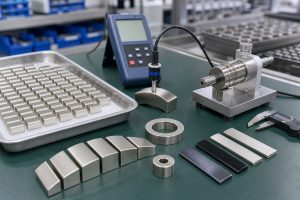
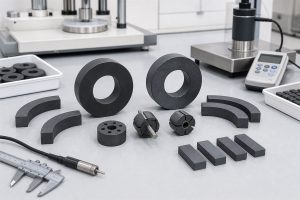
Modern freezer motors are designed for efficiency and durability. Many use advanced ferrite magnet material in their rotors, which helps produce a strong magnetic field while keeping costs lower than traditional rare-earth magnets. This material also withstands high temperatures, ensuring long-lasting performance.

Key Components of a Freezer Motor
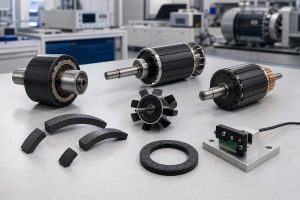
Understanding the main refrigerator motor parts is crucial for maintenance and repair. Here are the key components:
- Stator: The stationary part of the motor that generates a magnetic field.
- Rotor: The rotating component, often made with ferrite magnet material, which spins inside the stator.
- Bearings: Support the rotor and reduce friction, allowing smooth rotation.
- Fan Blades: Attached to the rotor, they circulate cold air throughout the freezer.
- Housing:Protects the motor components from dust, moisture, and other debris.
Each of these parts works together to ensure your freezer maintains a stable temperature. Replacing a faulty part, such as worn-out bearings or damaged fan blades, can restore optimal performance without needing to replace the entire unit.
How the Freezer Motor Works
A freezer motor converts electrical energy into mechanical motion, driving the fan that circulates cold air throughout the freezer. Understanding each step helps you see how efficiency, cooling, and noise reduction are achieved.
1. Magnetic Interaction
The stator generates a rotating magnetic field, which interacts with the magnets in the rotor. Key points:
- Rotor magnets are often made with ferrite magnet material for durability and cost-efficiency.
- The orientation of the magnets and rotor design ensures smooth, efficient rotation.
- Strong magnetic interaction is essential for consistent fan operation.
2. Rotor Movement
The rotor spins inside the stator, converting electrical energy into mechanical motion. Considerations include:
- High-quality bearings reduce friction and noise.
- Proper alignment ensures long-term efficiency.
- Misaligned or worn components can decrease cooling performance.
3. Fan Blade Operation
Attached to the rotor, the fan blades distribute cold air. Highlights:
- Spinning blades circulate air from the evaporator evenly across the freezer.
- Even airflow prevents hot spots and maintains consistent temperatures.
- Blade angle and rotor speed affect energy consumption and noise levels.
4. Air Circulation and Cooling Efficiency
The motor-fan system ensures effective cooling while optimizing energy use. Features include:
- Dynamic airflow maintains uniform freezer temperature.
- Reduced energy consumption through optimized fan speed.
- Quiet operation thanks to precise rotor and fan design.
This design not only enhances performance but also improves energy efficiency and reduces noise levels—a key factor in modern appliances.
Why Using Ferrite Magnets Matters
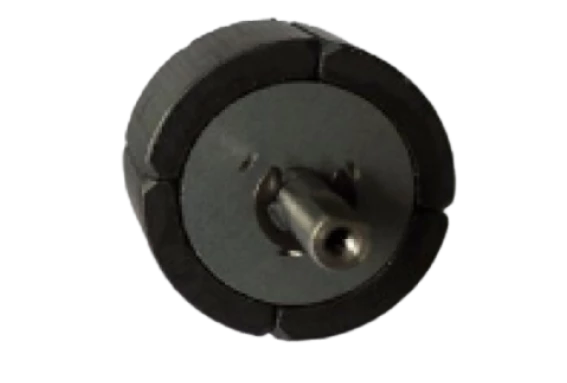
One of the key reasons modern freezer motors perform so well is the use of ferrite magnet material. Compared to traditional magnets, ferrite offers several advantages:
- Cost-effective:Less expensive than rare-earth alternatives, making the motor more affordable.
- Thermally stable:Can operate at higher temperatures without losing magnetic strength.
- Durable:Resistant to corrosion and mechanical wear.
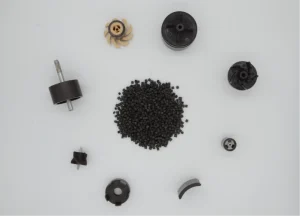
- Easy to mold:Ideal for injection-molded rotors, simplifying the manufacturing process.
By using ferrite magnets in the rotor, manufacturers can create motors that are reliable, efficient, and long-lasting.
Common Issues and Maintenance Tips
Even the most reliable freezer motors can experience problems over time. Understanding common issues and performing regular maintenance can help extend your appliance’s lifespan and keep it running efficiently.
Common Issues
Even with high-quality components, freezer motors can encounter problems. Common issues include:
- Motor not running: Often caused by faulty wiring or a damaged rotor.
- Noisy operation:Worn bearings or bent fan blades can create unusual sounds.
- Inefficient cooling: Dirty fan blades or obstructed airflow can reduce performance.
Maintenance Tips
Even with advanced rotor designs, regular maintenance is important:
- Keep fan blades and motor housing clean.
- Inspect bearings and replace if noisy or worn.
- Check for unusual vibration, which may indicate rotor misalignment.
Conclusion
The freezer motor is a small but crucial part of your appliance. With the right refrigerator motor parts and materials like ferrite magnet material, it can deliver reliable performance for years. Regular maintenance and timely replacement of worn components can keep your freezer running smoothly, ensuring your food stays fresh and your energy bills remain low.
Whether you are replacing a part, upgrading, or just curious, knowing how a freezer motor works gives you an edge in maintaining efficient and reliable performance.
FAQ:
Q: How often should I maintain my freezer motor?
A: Regular maintenance is recommended every 6–12 months, including cleaning fan blades and inspecting bearings.
Q: Can I replace refrigerator motor parts myself?
A: Some parts, like fan blades or bearings, can be replaced safely if you follow the manual. For complex repairs, consult a professional.
Q: Why are ferrite magnets used in freezer motors?
A: Ferrite magnets are cost-effective, thermally stable, and durable, making them ideal for long-lasting motor performance.
Q: What are common signs that a freezer motor needs attention?
A: Common signs include unusual noise, inconsistent cooling, vibration, or the motor not running at all.
Q: How does a freezer motor work?
A: A freezer motor drives the fan using a spinning rotor and magnets, circulating cold air evenly to maintain consistent freezer temperature.