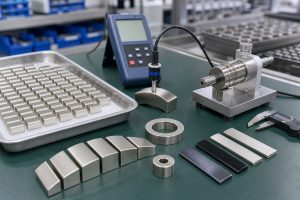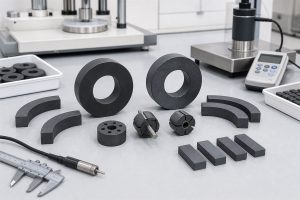


Neodymium magnets, known for their exceptional magnetic strength and compact size, are widely used in modern industries, from electric motors and consumer electronics to renewable energy devices. Despite their impressive performance, these magnets are inherently prone to corrosion due to their high reactivity, especially when exposed to moisture, humidity, or harsh environmental conditions. As a result, surface treatment of neodymium magnets is crucial to maintain their magnetic performance, protect against physical damage, and extend operational life.
Selecting the right material NdFeB and corresponding surface treatment can significantly improve the magnet’s durability, ensuring it meets the demands of applications in harsh industrial, automotive, or electronic environments. Without proper coating, even high-grade neodymium magnets can lose performance over time, leading to premature failure in critical devices.
Common Surface Treatment Methods
Manufacturers apply a variety of surface treatments to protect neodymium magnets, each offering unique advantages depending on the intended application. Leading NdFeB magnet manufacturers provide multiple options tailored to industrial, electronic, or high-performance needs, and often combine coatings with additional protective measures to meet specific operational standards.
1. Nickel-Copper-Nickel (Ni-Cu-Ni) Plating
Ni-Cu-Ni plating is the most widely used coating for NdFeB magnets. The multi-layered metal plating provides excellent corrosion resistance, making it suitable for high-humidity or industrial environments. It also adds mechanical protection during assembly, handling, and operation.
Ni-Cu-Ni plating enhances solderability, which is essential for electronic assembly and automation processes. In high-speed motors or automotive applications, this coating prevents surface degradation that could otherwise compromise the neodymium magnet’s performance. The uniform thickness of the plating also ensures consistent magnetic field distribution, which is critical in precision motors.
2. Zinc (Zn) Plating
Zinc plating provides a cost-effective corrosion barrier, making it suitable for applications where moderate protection is sufficient. Although not as durable as Ni-Cu-Ni, zinc-coated NdFeB magnets perform well in indoor industrial equipment, sensors, and consumer devices that are not exposed to extreme moisture or temperature. Manufacturers may also apply additional passivation layers to zinc-plated magnets to improve their long-term resistance to oxidation.
3. Epoxy Coating
Epoxy coating is a non-metallic layer that provides excellent insulation, moisture resistance, and chemical protection. Epoxy-coated material NdFeB is commonly used in medical devices, electronic sensors, and other applications where electrical insulation is critical. This coating is particularly effective in preventing corrosion caused by acidic or alkaline environments, which can degrade the magnet’s surface and reduce its lifespan. Epoxy coatings can also be applied in multiple layers, allowing customization of thickness to meet specific environmental demands.

4. Gold (Au) or Silver (Ag) Plating
Gold or silver plating is typically reserved for high-end electronic or sensor applications. These coatings not only provide corrosion resistance but also enhance electrical conductivity, ensuring reliable performance in delicate electronic circuits. For example, gold-plated NdFeB magnets are often used in high-precision devices, medical sensors, and aerospace applications where even minor surface degradation can affect overall system reliability.
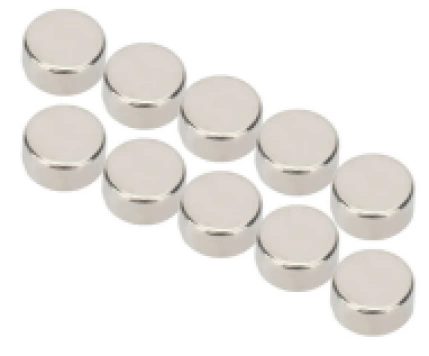
5. Parylene Coating
Parylene coating is a vapor-deposited polymer layer that forms a uniform, pinhole-free protective film on neodymium magnets. It provides excellent moisture resistance, electrical insulation, and chemical stability, making it suitable for material NdFeB used in precision electronics, medical devices, and sensor applications where thin and reliable corrosion protection is required.
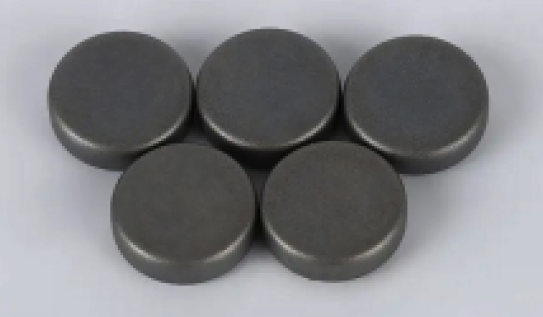
6. Teflon (PTFE) Coating
Teflon (PTFE) coating offers outstanding chemical resistance and a low friction surface for neodymium magnets operating in harsh or mechanically demanding environments. For material NdFeB, this coating is commonly used in industrial or chemical applications where resistance to solvents, acids, and mechanical wear is more critical than minimal coating thickness.
How Surface Treatments Affect Magnet Performance
Choosing the appropriate surface treatment has a direct impact on both the neodymium magnet’s operational performance and longevity:
- Corrosion Resistance:Surface treatments protect against moisture, salt, and chemical exposure, which are common causes of oxidation and surface degradation. Corrosion can lead to reduced magnetic strength, shortened lifespan, and mechanical failure.
- Mechanical Protection:Coatings provide a protective layer against chipping, scratching, or abrasion during assembly, transport, and operation. Mechanical damage can not only reduce the magnet’s surface integrity but also affect the uniformity of the magnetic field, which is critical in precision applications.
- Temperature Stability:Certain coatings improve the magnet’s tolerance to high temperatures, ensuring that the magnet maintains its magnetic strength and avoids demagnetization in heat-intensive applications such as automotive motors or industrial generators.
- Electrical Insulation:Non-metallic coatings like epoxy help prevent short circuits in electronic devices, improving overall system reliability. They also protect against environmental factors that could lead to corrosion or magnetic degradation.
By understanding the interaction between material NdFeB and various surface treatments, you can select coatings that optimize performance for specific application scenarios.
Choosing the Right Surface Treatment for Your Application
The choice of surface treatment depends on several factors:
- Application Environment: Industrial motors, automotive components, and outdoor devices often require Ni-Cu-Ni or epoxy coatings for superior corrosion resistance.
- Performance Requirements: High-end electronics or precision sensorsmay benefit from gold or silver plating to ensure conductivity and long-term reliability.
- Cost Considerations:Ni-Cu-Ni plating provides excellent protection, but epoxy or zinc coatings may offer cost-effective alternatives for less demanding applications.
- Manufacturer Expertise: Working with a reputable NdFeB magnet manufacturer ensures access to high-quality material NdFeB and tailored surface treatments optimized for specific operational conditions.
Selecting the right coating not only protects the magnet but also ensures consistent performance, minimizes maintenance, and extends the product’s operational life, especially in high-performance or industrial applications.
Conclusion
The surface treatment of neodymium magnets is critical for ensuring durability, performance, and reliability across various industries. By carefully selecting the right material NdFeB and suitable coating, engineers and manufacturers can prevent corrosion, enhance mechanical strength, and maintain magnetic properties even under challenging conditions. Partnering with a trusted NdFeB magnet manufacturer provides access to high-quality magnets and customized surface treatments tailored to the unique requirements of industrial, electronic, and renewable energy applications.