

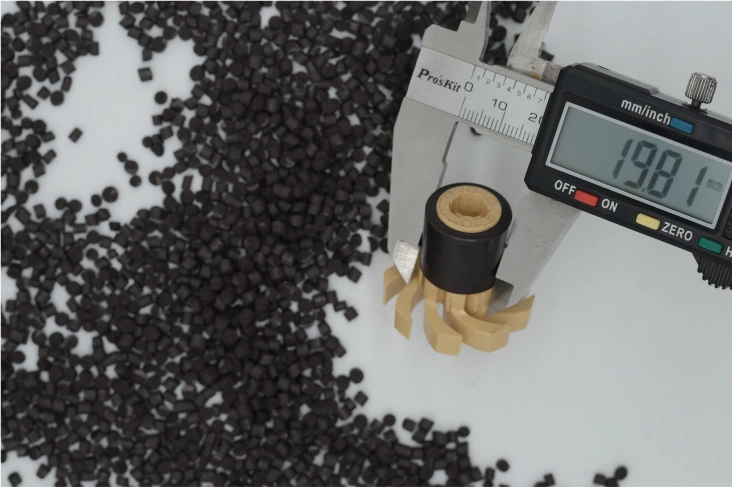
China produces over 85% of the world’s neodymium magnets. And China represents 69% of global rare earth element mining in 2025, with this share increasing towards 90% moving downstream through rare earth separation, metallization, and magnet production stages. So if you’re sourcing NdFeB magnets for motors, sensors, or any industrial application, odds are you’ll end up working with a China magnet company at some point.
But here’s the thing: there are thousands of suppliers out there. Some unethical suppliers pass off low-grade magnets as high-grade to increase profits. Getting it wrong doesn’t just waste a purchase order. It can stall your production line for weeks.
This guide is what we wish someone had handed us on day one.
Why China Still Dominates NdFeB Magnet Supply
It’s not just about low prices anymore. China’s magnet industry has matured with modern manufacturing technology, competitive pricing, and wide-ranging customization capabilities. From prototyping to large-scale production, suppliers can meet diverse requirements while maintaining consistent quality, and experienced exporters and reliable supply chains make international sourcing more efficient.

5 Things to Check Before Signing a Contract
1. Are They a Real Manufacturer?
This trips up more buyers than anything else. Buyers should source directly from manufacturers by verifying factory credentials (business license, production facility photos/videos, on-site audit). A real manufacturer controls their own production floor. A trading company resells someone else’s work, often with a markup and no visibility into quality control.
Ask for a factory tour (even virtual). If they dodge the request, move on.
2. Do They Hold the Right Certifications?
Look for suppliers with certifications such as ISO9001 and RoHS to ensure product quality and compliance. For automotive-grade projects, IATF 16949 is the standard to look for.
At Chase Technology, we operate under a quality management system that covers incoming materials inspection, in-process testing, and finished product checks. We also participate in formulating relevant national standards for magnetic compounds, which gives us a say in where the industry’s headed.
3. Can They Actually Customize?
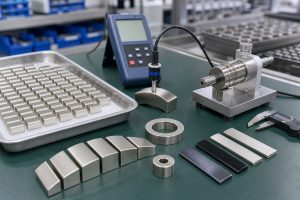
Not all magnet suppliers are built to handle custom neodymium magnets. Some only stock standard shapes and sizes. Most reputable suppliers can customize magnets based on dimensional specifications, magnetic properties, coating types, and magnetization direction.
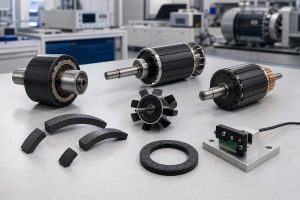
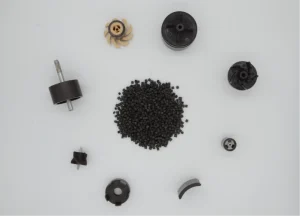
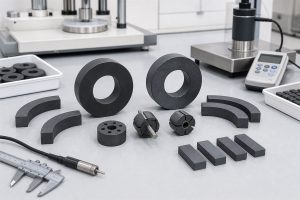
We offer injection molded, compression molded, and sintered magnets across multiple material systems, including NdFeB, ferrite, SmFeN, and more, as well as integrated magnetic assemblies. That means whether you need a multipole ring magnet for a BLDC motor or a custom-shaped bonded magnet for a sensor assembly, we can produce it in-house from compound to finished part.
4. Do They Have Real R&D Capability?
Plenty of Chinese magnet companies have polished brochures but thin engineering benches. A reliable neodymium magnet manufacturer should be able to support you with magnetic simulation, tooling design, and surface treatment options—not just take your drawing and quote a price.
Our R&D center in Hangzhou, backed by production bases in Zhejiang and Jiangxi provinces, runs magnetic simulation and builds custom tooling in-house. That’s how we keep lead times short and tolerances tight.
5. What’s Their Track Record with International Clients?
Test samples before placing bulk orders to verify magnetic performance and dimensional accuracy. Choose suppliers with a proven track record and positive customer reviews.
Ask for reference accounts, especially in your industry. A magnet supplier that already sells into automotive, home appliances, and industrial applications understands the difference between “good enough” and “production-ready.”
Why B2B Buyers Trust Chase Technology
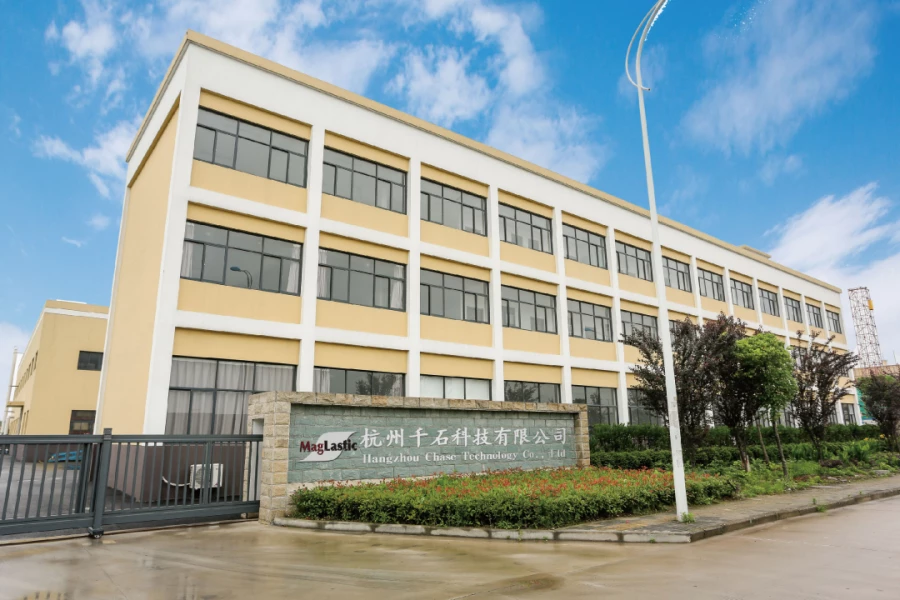
Founded in 2011, Chase Technology is a high-tech enterprise with a focus on rare earth magnets and magnetic assemblies. We cover three core magnet technologies, injection molded, compression bonded, and sintered magnets, with full in-house capability from material compounding to final assembly.
Our customers include brands across automotive, home appliances, industrial robotics, and consumer electronics worldwide. We don’t just ship magnets. We work with your engineering team from early concept through volume production.
Conclusion
- Always verify whether your supplier is a real manufacturer, not a middleman.
- Certifications like ISO 9001, IATF 16949, and RoHS are non-negotiable for European and American markets.
- Custom capability, including tooling, simulation, and multi-material options, separates serious magnet suppliers from catalog resellers.
- Sample before you commit. Then audit before you scale.
- Total cost of ownership beats unit price every single time.
FAQs
What types of neodymium magnets are available from magnet companies in China?
Most manufacturers offer sintered NdFeB, bonded (injection molded and compression molded) NdFeB, ferrite, SmCo, and SmFeN magnets. The right type depends on your application’s temperature range, shape complexity, and required magnetic performance.
Are Chinese rare earth magnets affected by export restrictions?
In April 2025, China introduced export licensing requirements for medium and heavy rare earth elements such as terbium and dysprosium, as well as NdFeB magnets containing these materials. As a result, not all standard NdFeB magnet grades can be freely exported. It’s important to discuss material composition, export compliance, and supply stability directly with your manufacturer.
What certifications should I look for in a China neodymium magnet manufacturer?
At minimum, ISO 9001 for quality management and RoHS for hazardous substance compliance. For automotive projects, IATF 16949 is the global benchmark.