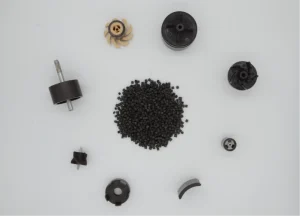



Rare earth magnets are high-performance permanent magnets made from rare earth elements such as neodymium (Nd) and samarium (Sm). Compared to traditional magnets, they offer exceptional magnetic strength, temperature stability, and compact size, making them indispensable in modern technology. These magnets are widely used in a range of applications, from electric motors and consumer electronics to medical devices and industrial automation. Their high energy density allows engineers to design smaller, more efficient, and more powerful devices, making rare earth magnets a cornerstone of modern engineering.
Types of Rare Earth Magnets
Rare earth magnets are mainly classified into Neodymium (NdFeB) and Samarium Cobalt (SmCo) magnets. Each type has unique properties that make it suitable for specific applications.
Neodymium Magnets (NdFeB)
Neodymium magnets, also called NdFeB magnets, are the strongest commercially available magnets. They have the highest magnetic energy product among all permanent magnets, which means they can generate strong magnetic fields even in small sizes. This makes them ideal for compact, high-performance devices.
NdFeB magnets are often coated with nickel, zinc, or epoxy to protect against corrosion because they can oxidize easily in humid or harsh environments.
Samarium Cobalt Magnets (SmCo)
Samarium Cobalt magnets are known for their excellent temperature stability and corrosion resistance, making them suitable for high-temperature and precision applications. Although they are more expensive than NdFeB magnets, their stability under extreme conditions makes them a preferred choice in aerospace and industrial sectors.
SmCo magnets are especially useful in applications where the operating temperature exceeds 200°C, as they maintain their magnetic properties better than most NdFeB grades.
Key Properties of Rare Earth Magnets
Rare earth magnets have several properties that set them apart from other types of magnets:
- High Magnetic Energy Density: Rare earth magnets can produce much stronger magnetic fields than ferrite or AlNiCo magnets of the same size.
- High Coercivity:They resist demagnetization, even under strong external magnetic fields.
- Temperature Stability:SmCo magnets are highly resistant to temperature-induced loss of magnetism, while NdFeB magnets come in specialized high-temperature grades.
- Compact Size and Lightweight:High magnetic strength allows for smaller, lighter designs, which is critical in modern electronics and mobility devices.
- Versatility:Available in a variety of shapes (discs, rings, blocks) to suit different engineering designs.
These properties make rare earth magnets the preferred choice for applications that require both strength and precision.
Related article: Why Neodymium Iron Boron Magnets Are the Best Choice for Your High-Performance Applications
How Rare Earth Magnets Compare to Other Magnets
Rare earth magnets stand out compared to traditional magnets like ferrite (ceramic) magnets and AlNiCo magnets due to their superior strength, temperature resistance, and compact size. The following table highlights the key differences:
| Feature | Rare Earth Magnets (NdFeB & SmCo) | Ferrite (Ceramic) Magnets | AlNiCo Magnets |
| Magnetic Strength | Extremely high (NdFeB > SmCo) | Low to moderate | Moderate |
| Temperature Stability | NdFeB: moderate to high (typical 80–150°C, high-temp grades up to 200°C); SmCo: very high (up to 300°C+) | Low (typically < 250°C, easy to demagnetize at elevated temps) | Very high (can exceed 500°C, but magnetic flux decreases at low temps) |
| Corrosion Resistance | NdFeB: prone to oxidation, requires coating (Ni, Zn, epoxy); SmCo: naturally corrosion-resistant | High | Moderate (can oxidize in humid environments, may require protective coating) |
| Size & Weight | Compact and lightweight due to high energy product | Larger and heavier for the same magnetic strength | Relatively large, moderate weight |
| Cost | High (rare earth materials) | Low | Moderate |
| Typical Applications | BLDC motors, electric vehicles, wind turbines, electronics, medical devices, robotics | Speakers, fridge magnets, small motors, magnetic separation | Aerospace instruments, sensors, industrial equipment, audio pickups |
Main Points:
- Magnetic Strength:Rare earth magnets are by far the strongest, allowing for smaller and lighter designs in compact devices.
- Temperature Performance:SmCo magnets are ideal for high-temperature applications, whereas ferrite magnets lose strength quickly under heat.
- Durability:High coercivity and corrosion resistance (especially SmCo) make rare earth magnets suitable for industrial and precision applications.
- Cost vs. Performance: While rare earth magnets are more expensive, their performance justifies the cost in high-tech applications.
Applications of Rare Earth Magnets
Rare earth magnets are widely used across multiple industries:
- Electric Motors & Generators:They are essential components in BLDC motors, hybrid vehicles, and electric cars. Their high magnetic strength improves torque, efficiency, and energy savings.
- Electronics:Rare earth magnets are used in smartphones, headphones, hard drives, and camera modules, enabling compact design without sacrificing performance.
- Medical Devices:MRI machines, medical sensors, and other diagnostic tools rely on rare earth magnets for precise and reliable performance.
- Industrial Automation:Robots, automated machinery, and magnetic separation systems leverage rare earth magnets for accuracy and durability.
- Consumer Appliances:Used in refrigerator door seals, speakers, small motors, and household fans. Enhance performance while allowing smaller, more efficient appliance designs.
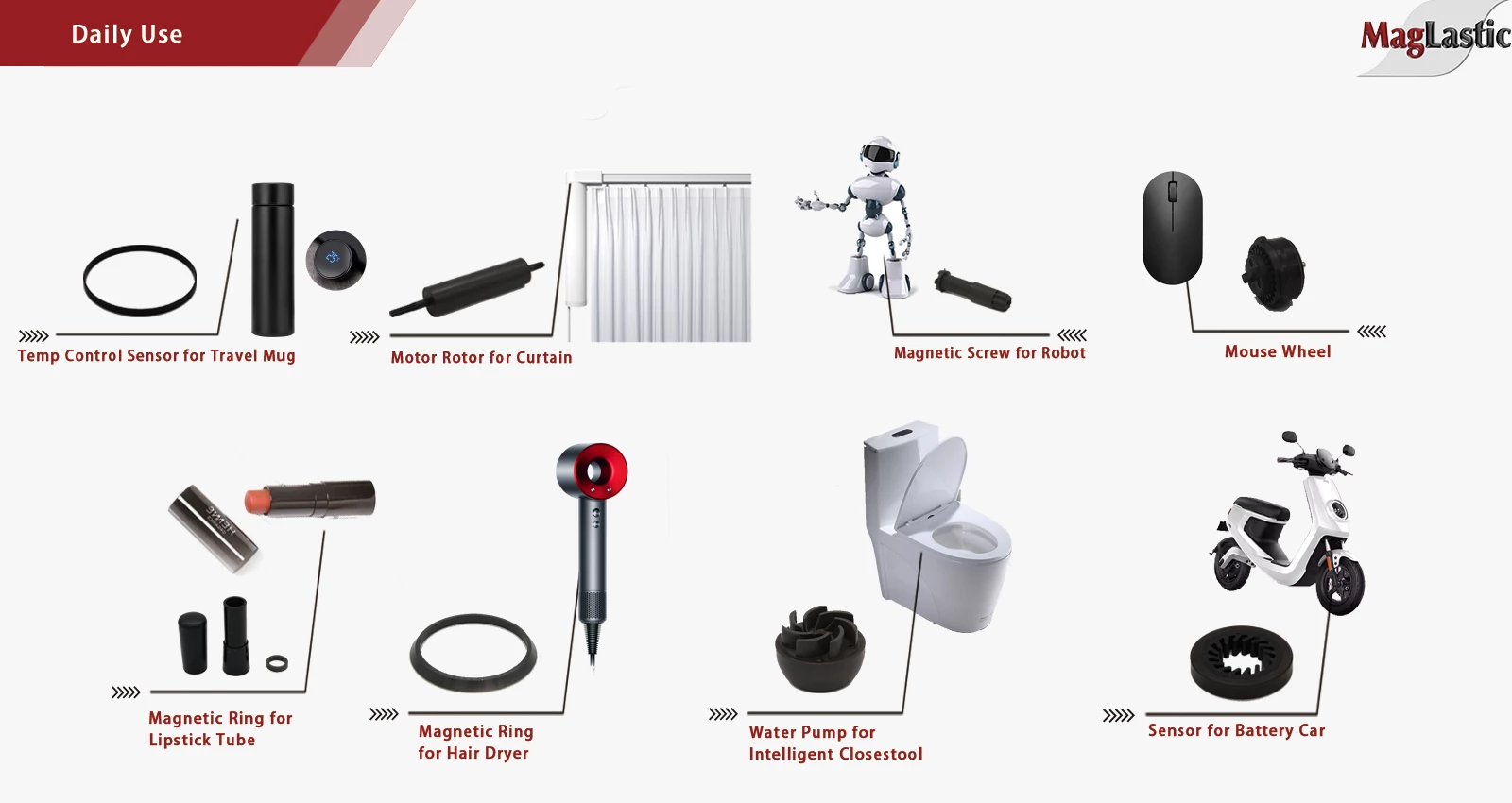


The versatility of rare earth magnets allows engineers to innovate smaller, more powerful, and energy-efficient devices, from consumer gadgets to industrial machines.
Related article: High-Speed Motor: Why Injection-Molded Ferrite & Rare Earth Magnet Material Is the Best Solution
How to Choose the Right Rare Earth Magnet
Selecting the right magnet requires careful consideration of several factors:
- Magnetic Strength (Energy Product):NdFeB magnets are ideal for applications requiring the strongest magnetic field. SmCo magnets provide moderate strength but excel in high-temperature conditions.
- Temperature Stability: High-temperature environments demand SmCo or high-temperature grades of NdFeB.
- Corrosion Resistance:In humid or corrosive environments, coated magnets (nickel, zinc, or epoxy) are necessary to prevent oxidation.
- Size and Weight Constraints: Compact devices, such as smartphones and drones, benefit from high magnetic energy density NdFeB magnets.
- Budget Considerations:SmCo magnets are more expensive but reliable under extreme conditions; NdFeB magnets provide better cost-to-performance ratio for most applications.
- Example Use Cases: Consumer electronics typically use NdFeB, while aerospace sensors or precision industrial instruments often require SmCo.
By carefully evaluating these factors, you can select the most suitable magnet for any application, ensuring optimal performance and longevity.
Conclusion
Rare earth magnets, including NdFeB and SmCo, are critical components in modern technology. Their superior magnetic strength, compact size, and temperature stability make them ideal for electric motors, consumer electronics, medical devices, and industrial automation. By understanding the types, properties, applications, and selection criteria of rare earth magnets, you can leverage their advantages to develop smaller, more efficient, and higher-performing solutions.
From powering electric vehicles to enabling compact electronics and advanced medical devices, rare earth magnets remain a cornerstone of innovation in engineering and technology.