

From small electronic gadgets to heavy industrial machines, magnets play a vital role in countless applications. Choosing the right magnet can significantly impact performance, efficiency, and cost. Among the most widely used magnets are neodymium magnets and ferrite magnets. Understanding their differences is essential for engineers, manufacturers, and hobbyists alike. In this article, we will explore the characteristics and applications of these two popular types of magnets to help you make an informed decision.
What Is a Neodymium Magnet?
A neodymium magnet, also known as a neodymium iron boron (NdFeB) magnet, is one of the strongest types of permanent magnets available today. Composed primarily of neodymium (Nd), iron (Fe), and boron (B), these magnets are prized for their exceptional magnetic strength relative to size. They are part of the rare-earth magnet family and have revolutionized industries requiring high-performance magnetic solutions.
Types of NdFeB Magnets by Manufacturing Process
There are three main types of NdFeB magnets based on their manufacturing process:
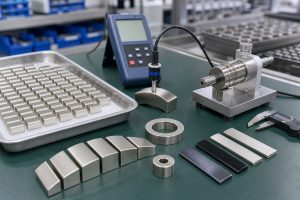
- Sintered Neodymium Magnets:Produced by compacting magnetic powders at high temperatures, sintered magnets have high density and extremely strong magnetic properties. They are ideal for high-performance motors, generators, and industrial machinery where maximum magnetic strength is required.
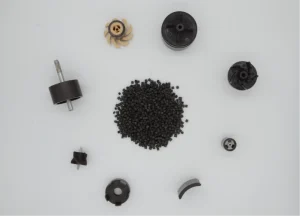
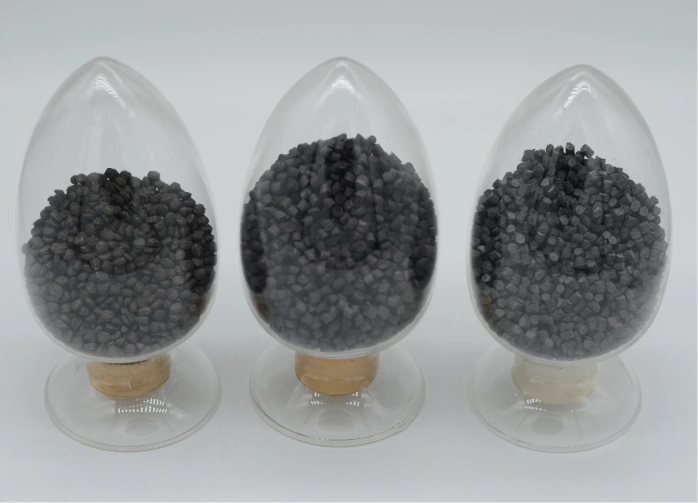
- Bonded NdFeB Magnets:Made by mixing magnetic powders with a polymer binder, these magnets can be molded into precise shapes. Although they are slightly weaker than sintered magnets, bonded NdFeB magnets are perfect for small devices, sensors, and applications requiring intricate designs.
- Hot-Pressed NdFeB Magnets:Manufactured through a hot-pressing process that aligns magnetic grains more efficiently, hot-pressed magnets offer a balance between strength and flexibility in shape. They are often used in applications where complex geometry is required but higher magnetic strength is still needed.
Key characteristics of neodymium magnets
- Extremely high magnetic strength, allowing for compact and lightweight designs.
- Brittle nature, which makes them prone to chipping or breaking if mishandled.
- Susceptibility to corrosion, often requiring protective coatings such as nickel, zinc, or epoxy.
- Limited high-temperature tolerance, typically around 80–200°C depending on the grade.
Common Applications of NdFeB Magnets
NdFeB magnets are used in a wide range of high-performance applications due to their exceptional strength and compact size:
- Electric Motors:Provide powerful magnetic force in compact motors for robotics, electric vehicles, and industrial machinery.
- Computer Hard Drives: Enable precise and reliable data storage by generating strong magnetic fields in small components.
- Headphones and Audio Equipment: Enhance sound quality with small yet powerful magnetic drivers.
- Wind Turbines:Used in generators to maximize energy output while reducing weight and size.
- Precision Instruments:Crucial for sensors, medical devices, and other instruments that require high magnetic strength in limited space.
Their unmatched strength and compact form factor make NdFeB magnets ideal for any application where high performance and space efficiency are critical.
Related article: Different Shapes of Neodymium Magnets and Their Applications
What Is a Ferrite Magnet?
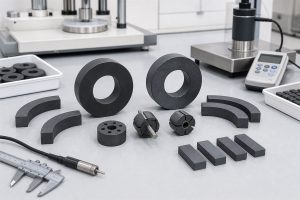
In contrast, a ferrite magnet (also known as a ceramic magnet) is made from a mixture of iron oxide and strontium or barium carbonate. Ferrite magnets are widely used due to their low cost, durability, and resistance to corrosion. They are often considered the go-to choice for applications where high strength is not critical, but reliability and stability are important.
Key characteristics of ferrite magnets
- Moderate magnetic strength, much lower than that of NdFeB magnets, which makes them less suitable for compact high-performance applications.
- Excellent resistance to corrosion and oxidation, making them ideal for outdoor, wet, or industrial environments.
- Stability at high temperatures, often up to 250–300°C, which is higher than most neodymium magnets.
- Hard and brittle, ferrite magnets are more resistant to corrosion and high temperatures, but like neodymium magnets, they can break under significant mechanical stress.
Common Applications of Ferrite Magnets
Ferrite magnets are widely used due to their low cost, durability, and resistance to corrosion:
- Loudspeakers and Audio Equipment:Provide reliable magnetic fields for sound generation in speakers and microphones.
- Magnetic Separators:Used in industrial processes to remove metal contaminants from powders, liquids, or bulk materials.
- Refrigerator Magnets and Consumer Products:Popular for household use due to their affordability and durability.
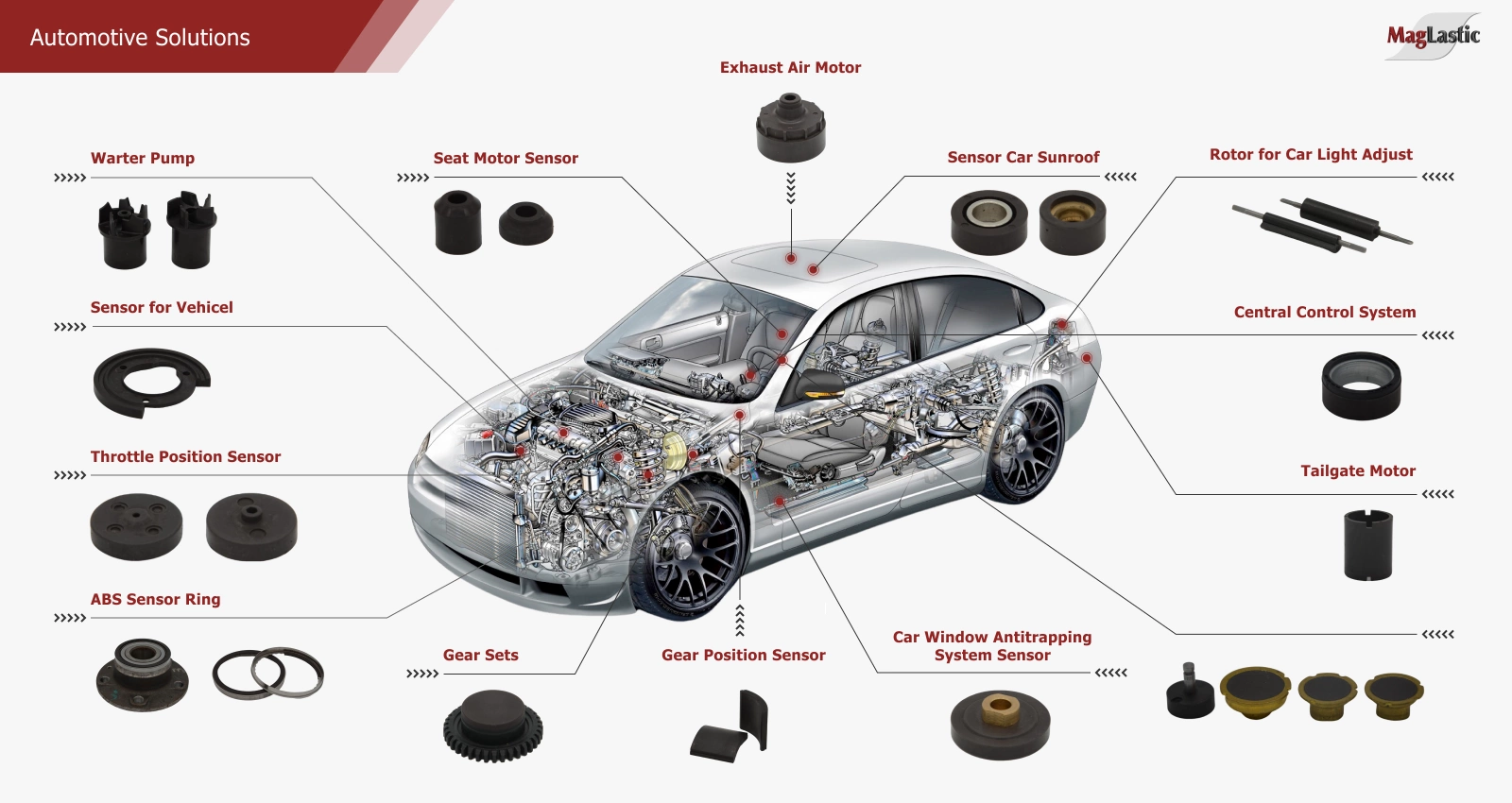
- Industrial Machinery:Suitable for large-scale machines where high magnetic strength is not critical but cost efficiency and stability are important.
Their widespread availability, corrosion resistance, and low cost make ferrite magnets a practical choice for both consumer products and industrial applications.
Related article: What Is a Ferrite Magnet? Properties, Grades, and Applications
Key Differences Between Neodymium and Ferrite Magnets
Understanding the differences between neodymium magnets and ferrite magnets can help you choose the right material for your application:
| Feature | Neodymium Magnets (NdFeB Magnets) | Ferrite Magnets |
| Magnetic Strength | Extremely strong; can lift several times their weight | Moderate; less compact strength |
| Size for Same Strength | Smaller and lighter | Larger required |
| Cost | Expensive due to rare-earth elements | Very cheap and widely available |
| Maximum Working Temperature | 80–200°C (varies by grade; high-temperature grades up to ~250°C) | 250–300°C |
| Corrosion Resistance | Low; requires protective coating | Excellent; naturally corrosion-resistant |
| Durability | Brittle and prone to chipping | Hard and brittle |
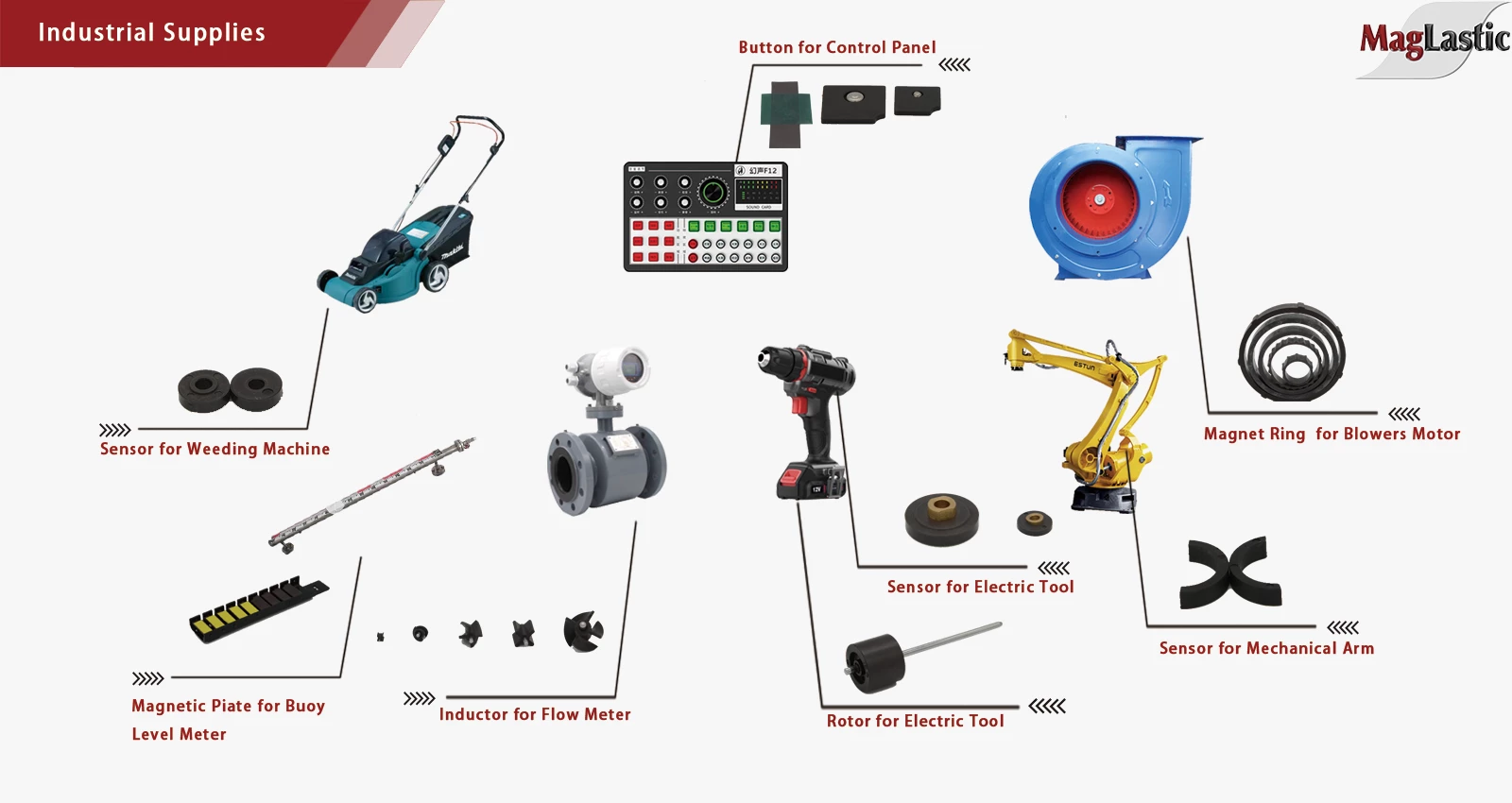
| Applications | Motors, electronics, precision instruments | Speakers, fridge magnets, industrial machinery |
From the table above, it is clear that NdFeB magnets provide superior strength and compactness but require more care in handling and higher cost. Ferrite magnets, on the other hand, excel in harsh environments, high-temperature conditions, and cost-sensitive projects.
How to Choose the Right Magnet
When selecting a magnet, it is important to consider several factors:
- Strength Requirements:If your application requires maximum force in a compact space, NdFeB magnets are the best choice.
- Budget:Ferrite magnets are highly cost-effective and suitable for large-scale industrial applications where strength is less critical.
- Operating Temperature:High-temperature applications favor ferrite magnets due to their superior thermal stability.
- Environmental Exposure:Ferrite magnets naturally resist corrosion, while neodymium magnets require protective coatings to avoid oxidation.
- Design Flexibility:Bonded NdFeB magnets allow for complex shapes and precision designs, unlike brittle ferrite magnets.
Conclusion
Both neodymium magnets and ferrite magnets offer unique advantages depending on the application. NdFeB magnets are strong, compact, and ideal for high-performance devices, while ferrite magnets are cost-effective, corrosion-resistant, and perform well in high-temperature environments.
By understanding the differences between these two types of magnets, engineers, manufacturers, and hobbyists can select the ideal solution for each project, balancing strength, durability, and cost. Whether designing small electronics, industrial machinery, or high-performance motors, choosing the right magnet is critical to ensure efficiency and long-term reliability.
What Is a Ferrite Magnet? Properties, Grades, and Applications
Why Neodymium Iron Boron Magnets Are the Best Choice for Your High-Performance Applications