

Introduction
As electric vehicles (EVs) continue to gain popularity, the need for efficient thermal management systems has never been more critical. Cooling systems play an essential role in ensuring the longevity and performance of EV batteries and motors. One of the most effective components in these systems is the water cooling pump, which circulates coolant to maintain optimal operating temperatures. But what makes a water cooling pump truly efficient? The answer lies in the integration of bonded magnets, especially bonded neodymium magnets and bonded ferrite magnets, which enhance the overall performance and reliability of these systems.
In this blog, we’ll explore how bonded magnets are playing a crucial role in enhancing the performance of advanced water coolers with pumps in electric vehicles.
What Are Bonded Magnets?
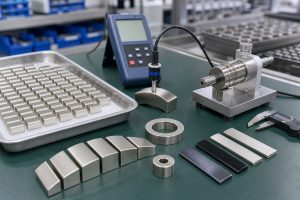
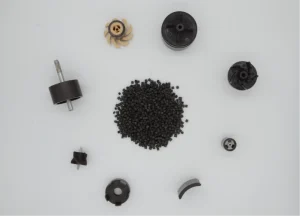
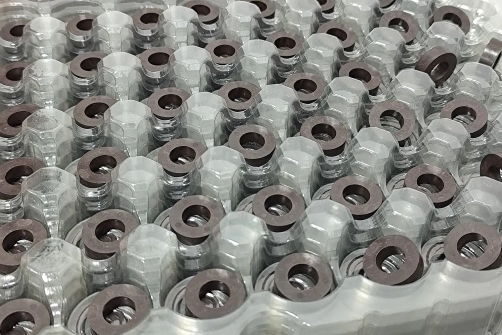
Bonded magnets are permanent magnets that are made by combining magnetic materials, such as rare-earth magnets like neodymium (NdFeB) or ferrite, with a binding resin or plastic. These magnets are then molded into various shapes, making them an ideal choice for compact applications in advanced automotive systems.
- Bonded Neodymium Magnets:Known for their strong magnetic properties, neodymium magnets are widely used in applications requiring high power in a small size. They are particularly important in electric motors, including those used in EV cooling systems.
- Bonded Ferrite Magnets:Ferrite magnets are another common material in bonded magnets. While they are less powerful than neodymium, they offer excellent resistance to corrosion and are often used in less demanding applications.
Molding Processes for Bonded Magnets
Bonded magnets are typically manufactured using different molding techniques to achieve the desired shape and magnetic properties. The most common molding methods include:
- Injection Molding:Magnetic powders are mixed with a thermoplastic resin and injected into a mold to form the shape of the magnet. This method is highly versatile and is used to produce complex shapes with tight tolerances.
- Compression Molding: Magnetic powders are compressed into molds under high pressure to form the desired shape. This method is ideal for larger, simple shapes and offers high production efficiency.
- Extrusion Molding:The magnet material is forced through a mold to form a continuous shape, such as rods or strips. This method is commonly used for creating magnets with consistent cross-sectional profiles.
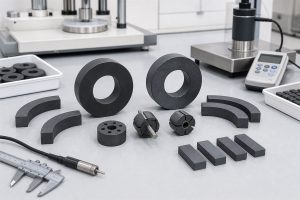
These molding processes ensure that bonded magnets can be shaped into a wide range of designs, making them suitable for various automotive applications like water cooling pumps.
Related article: How Permanent Magnets Are Manufactured


The Role of Cooling Water Pumps in Electric Vehicles
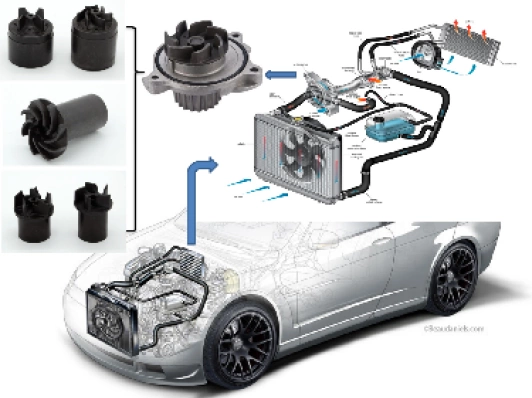
Water cooling systems are essential in electric vehicles (EVs) for managing heat generated by components like the battery and electric motor. These systems use a water cooling pump to circulate coolant through a closed-loop system, absorbing heat from the vehicle’s components and releasing it through a radiator.
- Coolant Circulation:The water cooling pump moves coolant through the system, allowing it to absorb heat from the motor and battery.
- Heat Dissipation:After absorbing the heat, the coolant flows to the radiator, where heat is transferred to the surrounding air, cooling the fluid.
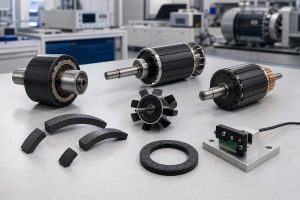
- Efficient Operation with Bonded Magnets:Bonded neodymium magnets and bonded ferrite magnets are used in the pump’s motor, improving efficiency and reducing energy consumption, ensuring that the system operates reliably.
By efficiently managing heat, water cooling pumps help maintain optimal temperatures, extend battery life, and improve the overall performance of EVs.
How Bonded Magnets Enhance Water Pump Performance
Bonded magnets play a pivotal role in the design and efficiency of water cooling pumps. Typically made from materials like bonded neodymium magnets or bonded ferrite magnets, these magnets are combined with polymers like PPS (Polyphenylene Sulfide) to create a robust, high-performance material that significantly improves the functioning of cooling systems.
- Lightweight and Compact:One of the primary advantages of bonded magnets is their lightweight nature. By reducing the weight of the pump components, they contribute to improved vehicle efficiency, longer driving range, and better overall performance in EVs.
- Precision and Dynamic Balance:Bonded magnets offer precise dimensional control, ensuring that the pump operates with minimal friction and resistance. This precision results in greater operational efficiency, reduced wear, and improved dynamic balance, which is crucial for smooth, low-vibration performance.
- Durability and Thermal Stability:The robustness and high thermal stability of bonded magnets ensure the long-term durability of cooling systems. They can withstand high temperatures without losing their magnetic strength, which is essential for the demanding conditions inside EVs.
Benefits of Using Bonded Magnets in EV Water Pumps
After understanding why bonded magnets are essential for cooling systems, let’s focus on the specific benefits they offer when integrated into EV water pumps:
- Improved Efficiency and Performance: The strong magnetic properties of bonded neodymium magnets and bonded ferrite magnets enhance the energy efficiency of the pump, ensuring optimal coolant circulation with minimal power consumption.
- Enhanced Cooling and Thermal Management:Bonded magnets provide efficient heat dissipation by ensuring the cooling pump runs smoothly even under high temperatures, which is essential for the thermal management of EV batteries.
- Longer Lifespan and Reduced Maintenance:The high durability of bonded magnets reduces wear and tear, which translates into lower maintenance costs and a longer lifespan for both the water cooling pump and the water cooler with pump.
- Noise Reduction and Stability:By maintaining dynamic balance, bonded magnets help minimize noise and vibration, contributing to a quieter and more stable operation of the cooling system.
Applications of Bonded Magnets in Other Automotive Systems
Bonded magnets are not just limited to water cooling pumps. These magnets are used in various other applications within electric vehicles, showcasing their versatility:
- Motors in Electric Vehicles: Bonded neodymium magnets are widely used in the electric motors that power the wheels of electric vehicles, contributing to improved torque and efficiency.
- Regenerative Braking Systems: Bonded magnets also play a role in regenerative braking systems, helping to convert kinetic energy back into electrical energy to recharge the battery.
As electric vehicles continue to evolve, the demand for efficient, reliable, and energy-saving components will only increase, making bonded magnets a key technology in the future of automotive design.
Conclusion
The integration of bonded magnets into water cooling pumps for electric vehicles marks a significant leap forward in automotive technology. Bonded neodymium magnets and bonded ferrite magnets not only improve pump efficiency and reduce energy consumption but also contribute to a lighter, more durable, and reliable cooling system. As electric vehicles continue to evolve, the role of these advanced magnetic materials will become even more crucial in enhancing vehicle performance, extending battery life, and driving the future of sustainable transportation.